

ApsTron Science Introduces Patent-Pending PhysioWatch™ for Continuous Physiological Monitoring
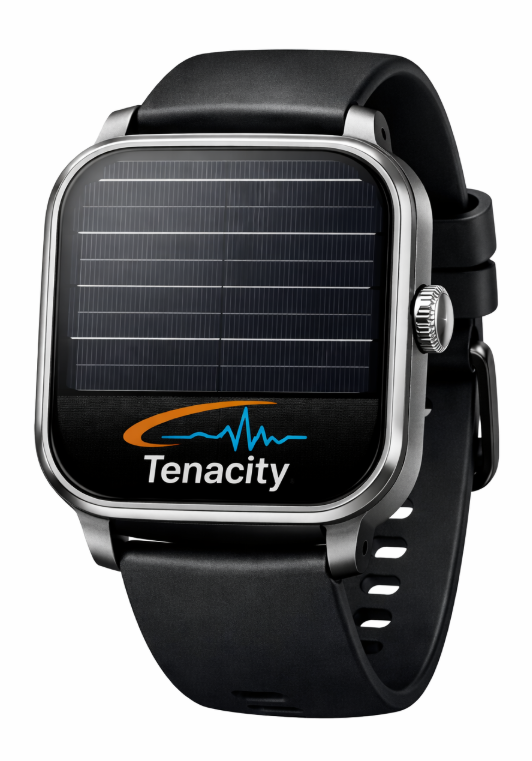
PhysioWatch(tm)
ApsTron Science introduces PhysioWatch™, a patent-pending solar-assisted wearable for continuous physiological monitoring.
WOBURN, MA, UNITED STATES, April 27, 2026 /EINPresswire.com/ -- ApsTron Science has introduced PhysioWatch™, a patent-pending wearable product developed to support continuous physiological monitoring through solar-assisted power for long life, mobile connectivity, and simplified daily operation, reflecting the company’s broader view that future healthcare will increasingly depend on monitoring physiological trends continuously rather than only after symptoms appear or medical intervention becomes necessary.
The technology uses AI and contemporary electronic design for optimum physiological monitoring.
The wearable product has been developed to address several practical limitations commonly associated with current wearable devices, particularly the burden of frequent charging, display dependency, and short-duration use.
PhysioWatch™ incorporates solar-assisted energy support intended to extend usable operating time while reducing dependence on conventional charging cycles, an area increasingly viewed as important for long-term wearable adoption.
Unlike many wearable products currently on the market, PhysioWatch™ is designed without reliance on a conventional display. Instead, the product uses alternative interaction methods that include side-button activation, spoken feedback, vibration alerts, and communication with companion mobile application. This approach is intended to simplify user interaction while preserving battery efficiency and allowing the wearable to function more naturally during daily activities.
According to the company, PhysioWatch™ is being developed to support monitoring of selected physiological signals that may include pulse-related activity, skin response, temperature trends, and related wellness indicators. Data generated by the wearable is intended to synchronize with connected mobile software where users may store information, review trends over time, and receive wellness-related feedback in a practical daily format.
The company believes that long-term physiological awareness may become increasingly important as healthcare moves toward preventive engagement, early awareness, and continuous personal monitoring outside traditional clinical environments.
PhysioWatch™ is also expected to integrate with ApsTron Science’s broader mobile health ecosystem, including MindOra™, which supports guided mind and body exercises, sound-based wellness tools, and respiration routines.
The wearable product reflects years of ongoing development by ApsTron Science in physiological sensors, mobile software, and digital health systems. The company has previously developed technologies involving physiological measurement including surface electromyography, photoplethysmography, electrodermal activity, respiration monitoring, and temperature-related sensing for broader health, research, and wellness applications.
As investor attention continues to expand across digital health markets, wearable products that combine practical usability, energy efficiency, physiological sensing, and mobile integration are increasingly viewed as part of the next phase of preventive health innovation.
ApsTron Science indicates that PhysioWatch™ forms part of its long-term effort to make physiological monitoring more practical, continuous, and accessible during everyday life rather than limiting meaningful health observation to clinical settings alone.
More information is available through ApsTron Science at www.ApsTron.com
ApsTron / CTO
ApsTron Science
+1 617-299-8001
support@apstron.com
Visit us on social media:
LinkedIn
Bluesky
Instagram
Facebook
YouTube
TikTok
X
Legal Disclaimer:
EIN Presswire provides this news content "as is" without warranty of any kind. We do not accept any responsibility or liability for the accuracy, content, images, videos, licenses, completeness, legality, or reliability of the information contained in this article. If you have any complaints or copyright issues related to this article, kindly contact the author above.
