
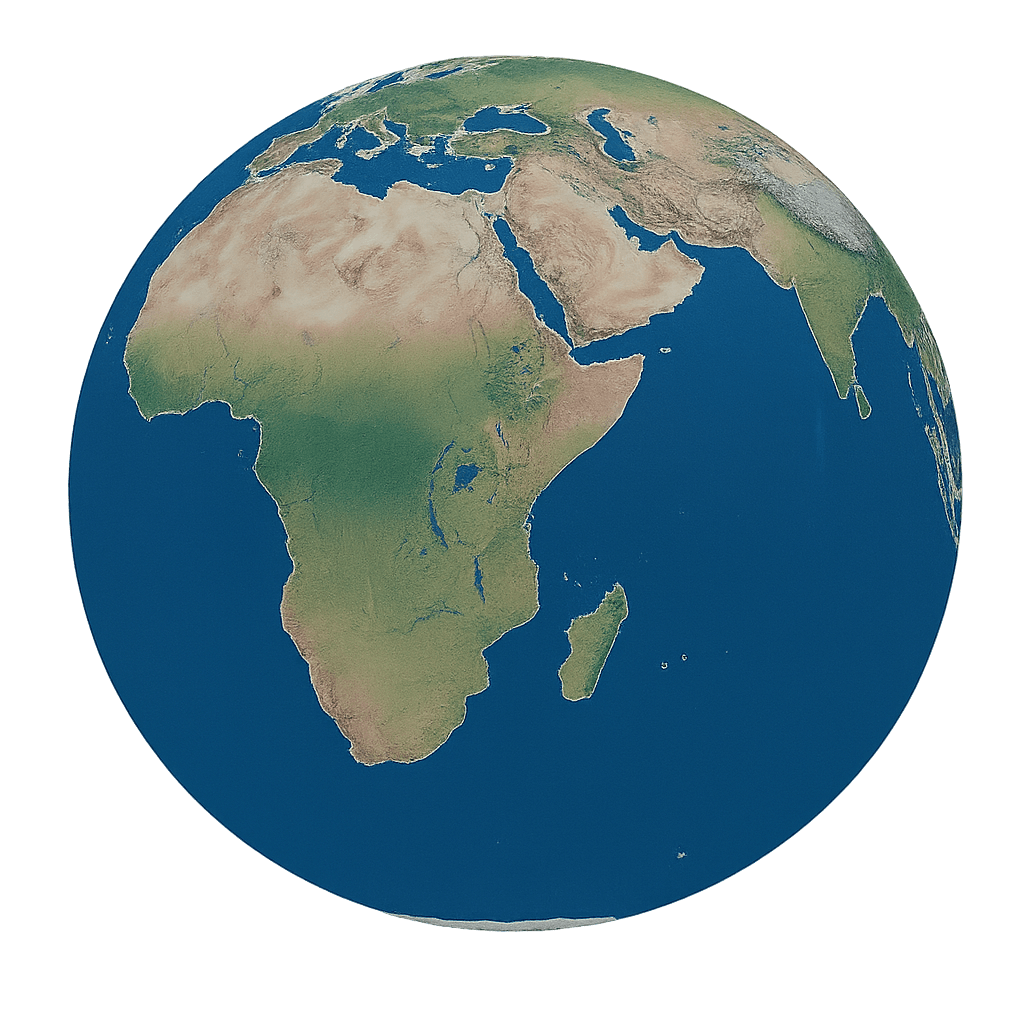
Indore and the Malwa Table: A Guide to Madhya Pradesh’s Most Documented Food Culture
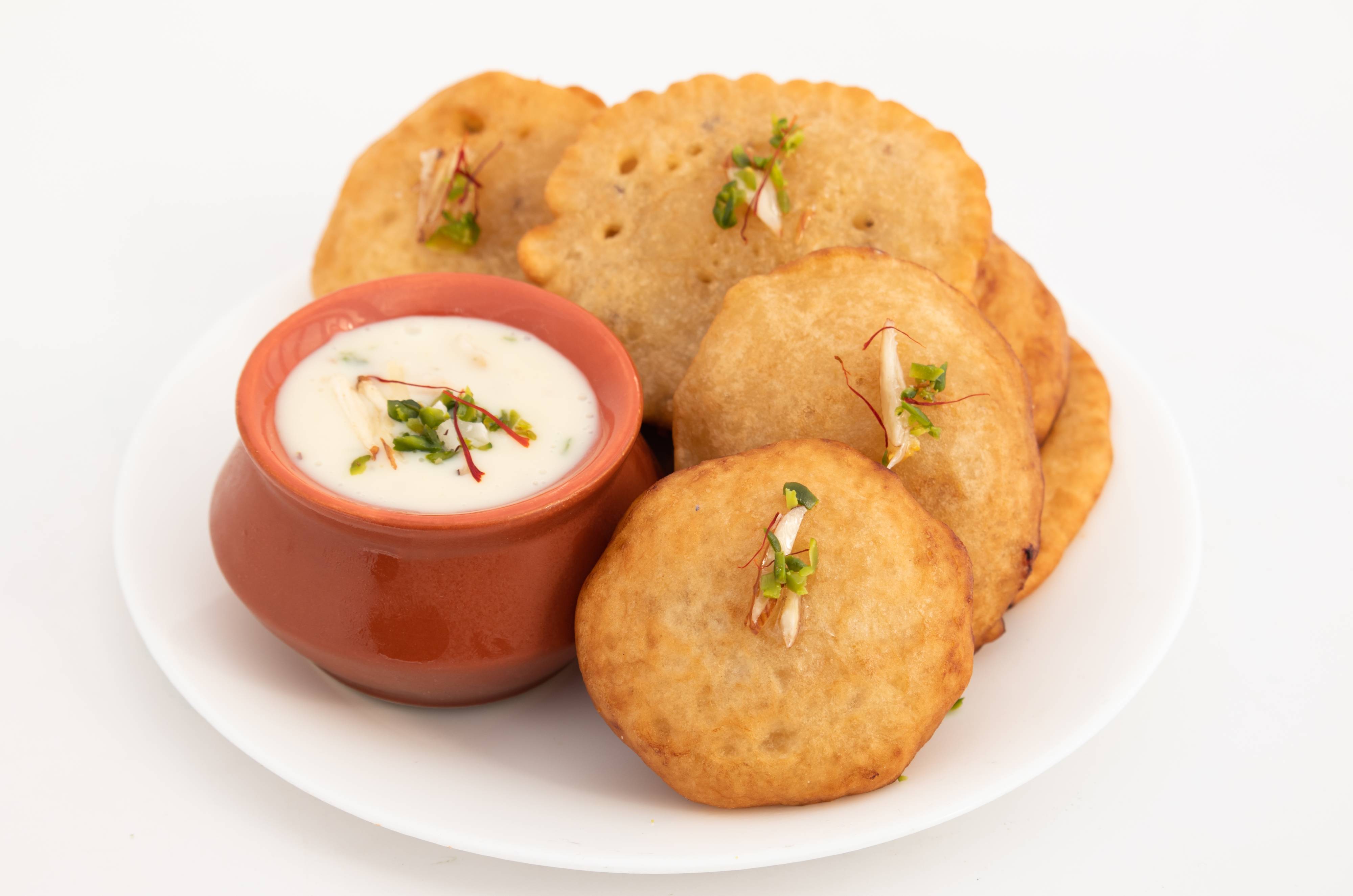
Malpua with Rabdi
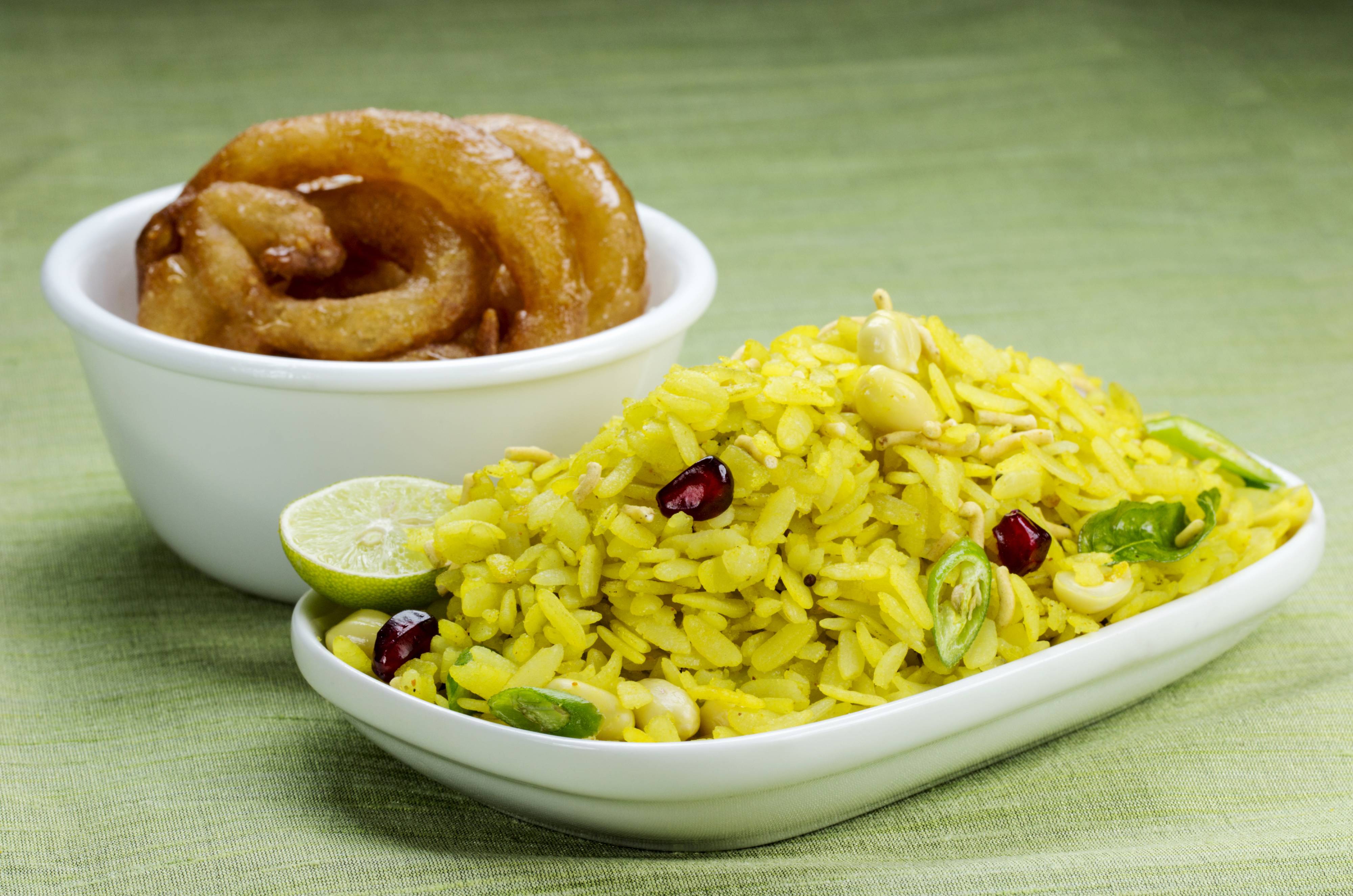
Poha jalebi
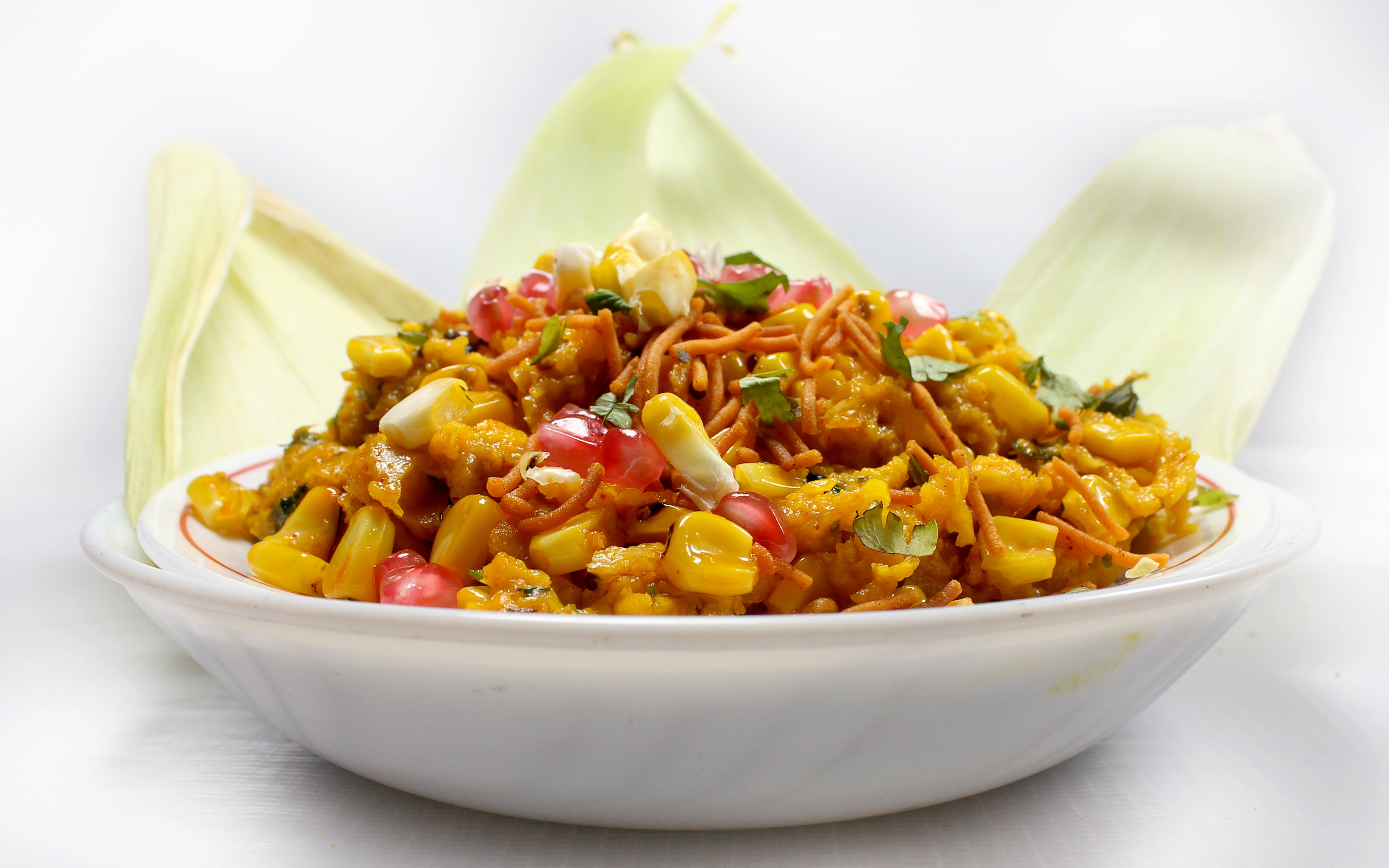
Bhutte ki khees - a vegetarian specialty of the state
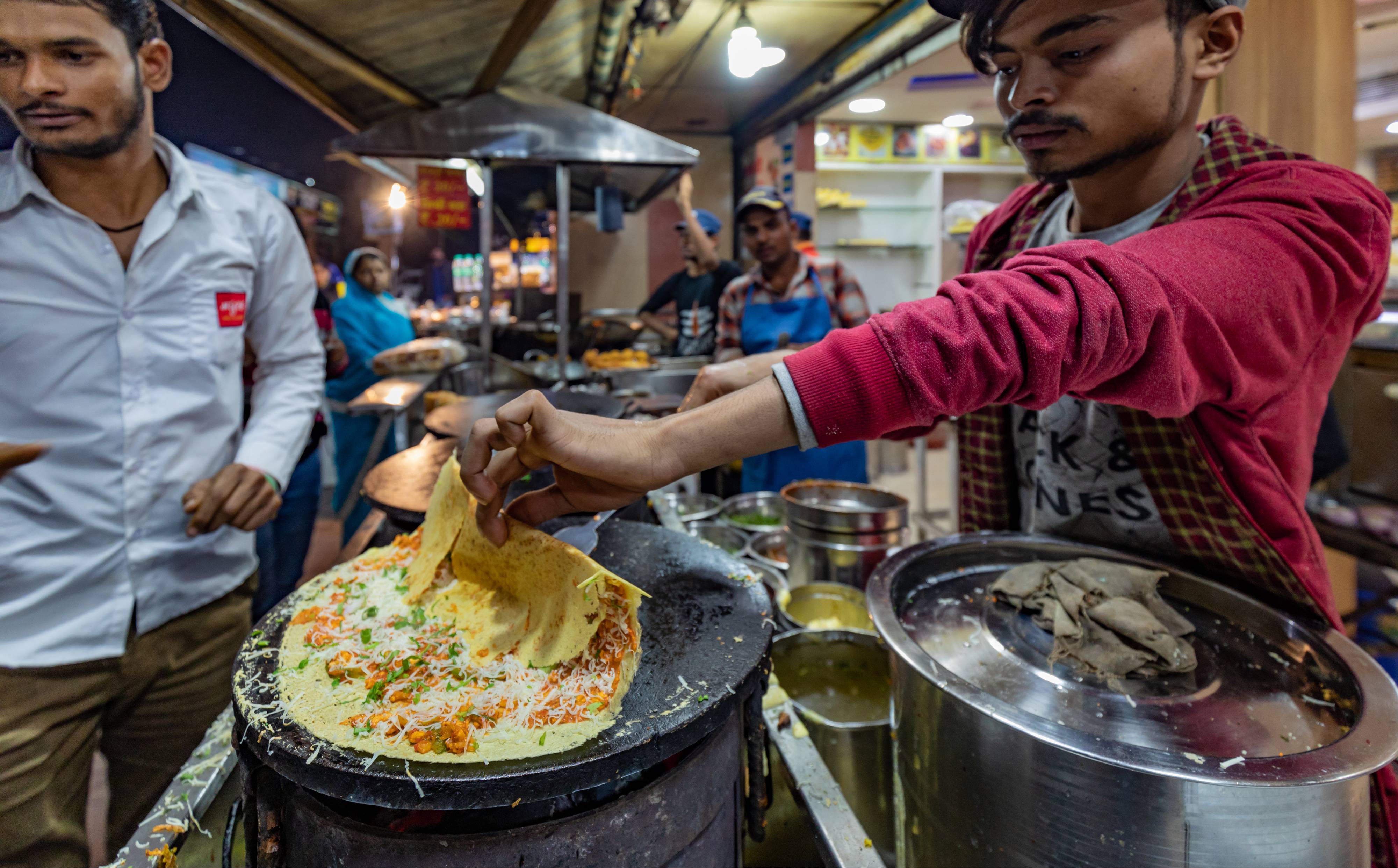
A Street Vendor at Chappan Dukan
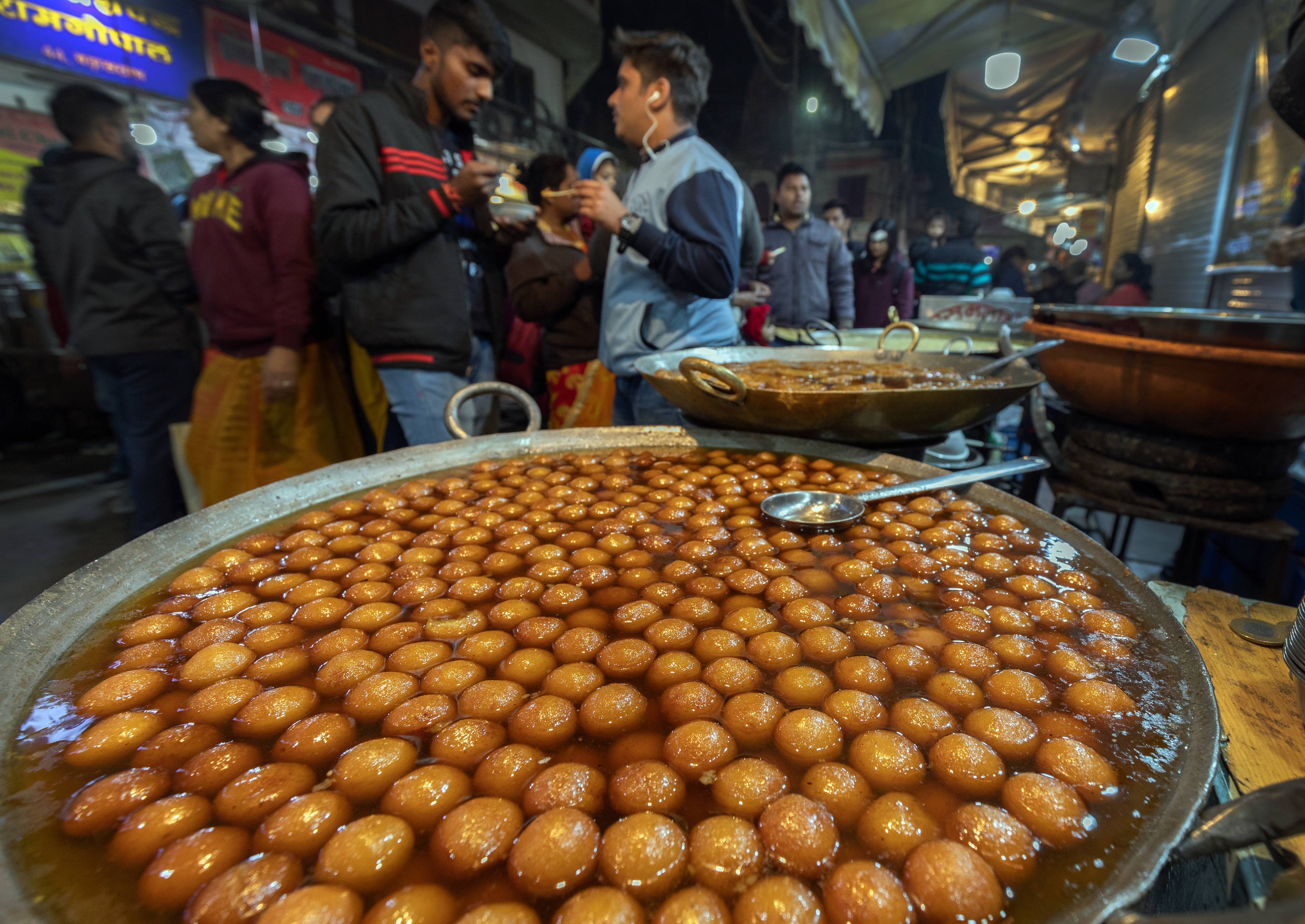
Gulab Jamun - Sarafa Bazaar, Indore
Where Malwa, Gujarati, Rajasthani and Maratha food traditions meet — across a night market and 56 shops that have defined Indore's culinary identity for decades
BHOPAL, MADHYA PRADESH , INDIA, September 1, 2026 /EINPresswire.com/ -- Indore, Madhya Pradesh’s largest city, holds a place on India’s food map that is disproportionate to its profile on the international tourism circuit. The city’s food culture, rooted in the culinary traditions of the Malwa plateau and inflected by its position as a historic trading center, has been documented by publications including National Geographic Traveler and draws a steady and growing body of food-focused travelers from across India. Its two principal food destinations — Sarafa Bazaar and Chappan Dukan — function as organized, street-level platforms for a cuisine that blends bold spicing, regional produce and several centuries of cross-cultural food exchange.Malwa cuisine, the food tradition of the plateau region of western Madhya Pradesh, is characterized by its use of locally grown produce, a preference for wheat-based preparations, and a flavor profile that balances spice, sweetness and tartness within individual dishes. The influence of neighboring Gujarat, Rajasthan and Maharashtra is visible in the food — a reflection of the trade routes that historically ran through the region and the communities that settled along them. Indore sits at the center of this culinary geography and functions as its most accessible and concentrated point of entry.
The dish most closely identified with Indore is poha-jalebi: flattened rice cooked with mustard seeds, curry leaves and a proprietary spice blend called jeerawan, served alongside crisp, freshly fried jalebis. This combination functions as the city’s standard breakfast and is available across hundreds of stalls from early morning. Dal bafla — wheat dough balls baked and then dipped in clarified butter, served with dal — is the Malwa region’s version of the Rajasthani dal baati, adjusted in preparation method and seasoning. Bhutte ka kees, a preparation of grated corn cooked with spices and milk, is specific to the region and largely unavailable outside it. Garadu ki chaat — deep-fried or baked purple yam topped with a hot and tangy spice mix — is a seasonal street food particular to the winter months. Sabudana khichdi, a preparation of soaked tapioca pearls cooked with peanuts and spices, and a wide range of namkeen (savory snacks) produced by Indore’s established snack industry complete the core repertoire.
Sarafa Bazaar occupies a lane adjacent to the Rajwada Palace, a seven-storey structure built by the Holkar dynasty in the 18th century that remains one of Indore’s principal heritage landmarks. By day, the bazaar functions as a jewelry market. After 9 pm, the shutters come down on the shops and food vendors set up in the same space, operating until approximately 2 am. The market runs daily and is documented as one of India’s few night food markets of this scale and consistency. The food on offer includes khopra patties — fried potato patties stuffed with spiced coconut, a preparation associated with Indore since the 1960s — alongside dahi bade, sabudana khichdi, malpua, jalebi-rabdi, imarti and regional sweets. The setting, with the illuminated facade of Rajwada as backdrop, gives the market a visual context that is particular to Indore.
Chappan Dukan — the name means ‘56 shops’ — is a purpose-built food street in the Palasia area of Indore, established in 1974 on a site previously known as the Udasin Ashram Market. The street comprises exactly 56 food outlets within approximately 200 meters and operates from early morning through the evening, making it the daytime complement to Sarafa’s night market. Many of the stalls are second- or third-generation family operations. In 2022, Chappan Dukan was recognized by the Food Safety and Standards Authority of India (FSSAI) as one of the country’s safest and cleanest food destinations. The street is also home to Johny Hotdog, one of the few establishments in the area offering non-vegetarian street food, and to Madhuram, whose version of shikanji — a cold drink made with milk, nuts, dry fruits and rabdi rather than the more common lemon-water base — is specific to Indore’s interpretation of the preparation.
Indore is connected by air to major Indian cities including Mumbai, Delhi, Bangalore, Hyderabad and Pune, with an expanding network of direct routes. The city’s food culture is concentrated within a navigable geography: Sarafa Bazaar, Chappan Dukan and the Rajwada area are within a few kilometers of one another and accessible by auto-rickshaw or cab. The Madhya Pradesh Tourism Board positions Indore’s food culture as a distinct and substantive element of the state’s broader tourism offer — one that sits alongside the state’s heritage sites, wildlife reserves and craft traditions as a reason for international travelers to include Madhya Pradesh in their India itineraries.
ZM
Madhya Pradesh Tourism Board
email us here
Visit us on social media:
LinkedIn
Instagram
Facebook
YouTube
X
Indore: The City That Loves To Eat
Legal Disclaimer:
EIN Presswire provides this news content "as is" without warranty of any kind. We do not accept any responsibility or liability for the accuracy, content, images, videos, licenses, completeness, legality, or reliability of the information contained in this article. If you have any complaints or copyright issues related to this article, kindly contact the author above.
