

Independent Study of FDA Correspondence Finds Earliest CDER Warning Letter Citing AI Use
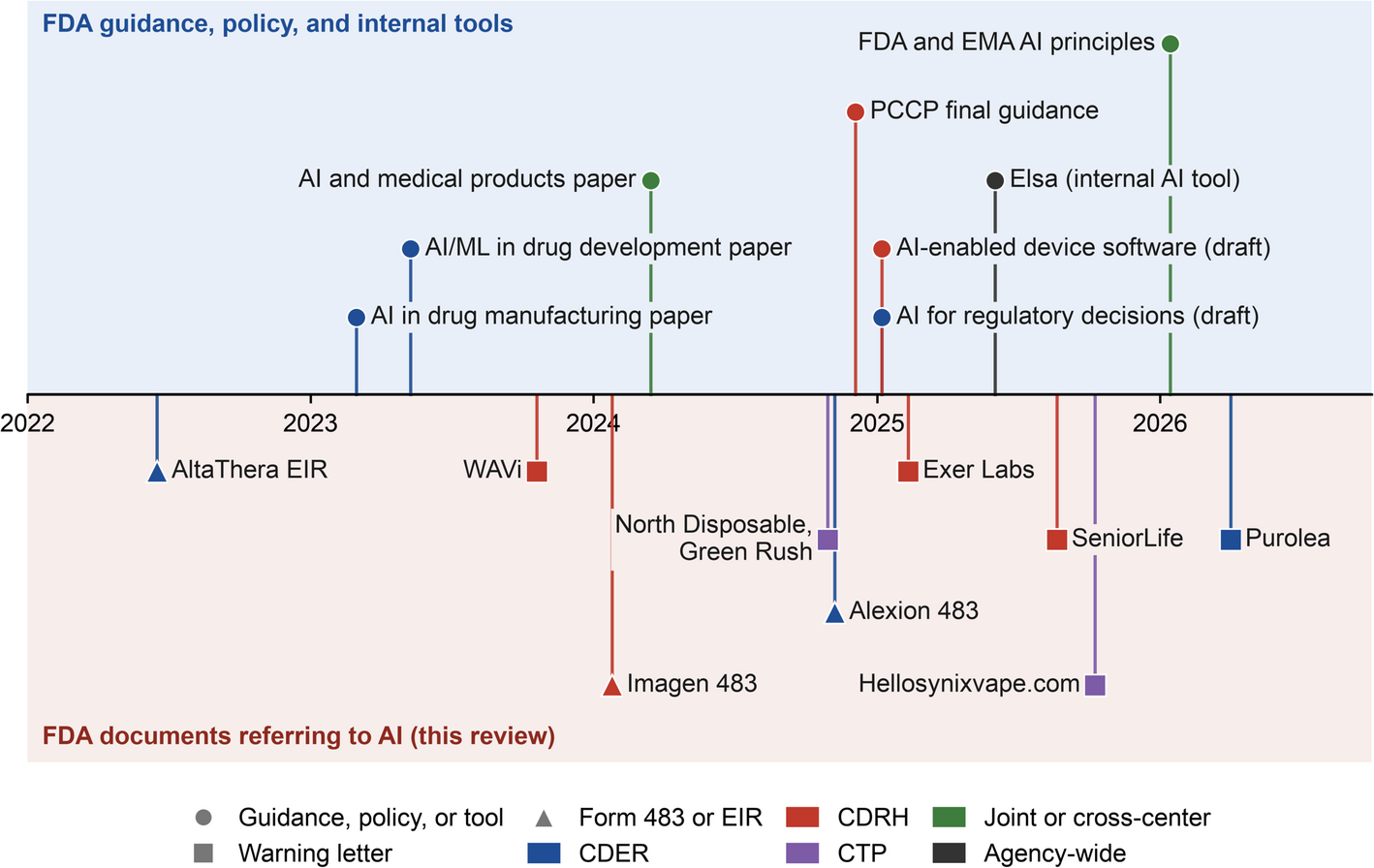
Fig. 1 from Kwiecinski and Nandy, “Artificial intelligence in FDA regulatory correspondence, 2022 to 2026,” Discover Pharmaceutical Sciences 2, 22 (2026), doi:10.1007/s44395-026-00061-5. Unchanged. CC BY-NC-ND 4.0: https://creativecommons.org/licenses/by-nc-nd/4.0/
Peer-reviewed analysis of 3,011 FDA warning letters finds seven references to AI across medical devices, tobacco products, and drug manufacturing.
BROOKLYN, NY, UNITED STATES, November 4, 2026 /EINPresswire.com/ -- An independent analysis of artificial intelligence in U.S. Food and Drug Administration correspondence was published in the peer-reviewed journal Discover Pharmaceutical Sciences on October 31, 2026. The authors, George Kwiecinski and Reet Nandy, hold leadership roles at KeyPedia, a data layer focused on life science quality and compliance risk. Their KeyPedia roles are disclosed in the paper.The authors searched the full text of 3,011 warning letters listed in FDA's public database with issue dates from January 1, 2022, through September 28, 2026. Seven letters, or 0.23%, referred to AI. Three involved medical devices, three involved tobacco products, and one involved drug manufacturing.
“Every breakthrough in medicine has depended on trust. As AI becomes part of how medicines are made and regulated, our opportunity is to build that trust in the open, with data anyone can examine.” - Reet Nandy
The paper assesses each of the seven warning letters that referred to AI. It records where the AI reference appears, how it relates to the product or process at issue, and which violations FDA cited. This distinction helps readers understand whether AI was part of a cited deficiency or simply part of the surrounding description.
The researchers documented their search and screening decisions in a supplementary file. They also described one establishment inspection report and two Form FDA 483s that referred to AI. Those inspection records were analyzed separately because publicly released records do not provide a complete set from which to calculate frequency.
The analysis describes references in published correspondence during the period reviewed. It does not measure how widely regulated firms use AI, and seven letters cannot establish an enforcement trend. The paper did not examine AI in product approvals or software as a medical device.
About KeyPedia
KeyPedia helps quality, regulatory, and supplier teams understand post-market quality and compliance risk. It tracks and decodes FDA and global enforcement data.
Zephaniah Odidika
KeyPedia
347-882-1377
Legal Disclaimer:
EIN Presswire provides this news content "as is" without warranty of any kind. We do not accept any responsibility or liability for the accuracy, content, images, videos, licenses, completeness, legality, or reliability of the information contained in this article. If you have any complaints or copyright issues related to this article, kindly contact the author above.
